

When a Bartender Feels Like a Host, Not Just a Supplier

There is a big difference between having someone serve drinks at your party and having someone help you host it.
Both can make cocktails.
Both can stand behind a bar.
Both can pour a perfectly good drink.
But only one notices the guest who has just arrived and does not know anyone yet.
Only one remembers what somebody enjoyed earlier.
Only one sees the host caught in conversation and quietly makes sure the next group of guests is looked after.
That difference is hospitality.
A great private bartender does not behave like an external supplier who happens to be working in your home.
For a few hours, they become part of the hosting team.
They understand the atmosphere you are trying to create.
They read the room.
They welcome people.
They solve small problems.
And they make guests feel as though somebody is genuinely looking after them.
That is what premium private bartending services should feel like.
Not simply drinks being made efficiently.
An extra pair of capable hands helping the entire evening work.
Here is what changes when your bartender for a private event starts thinking like a host.
1. A Supplier Thinks About the Bar. A Host Thinks About the Guest.
A supplier's job can be very straightforward.
Take an order.
Make the drink.
Serve it.
Repeat.
Technically, the job is being done.
But great hospitality starts with a different question:
What does this guest need right now?
Perhaps they know exactly what they want.
Great. Serve them efficiently.
Perhaps they are staring at the menu looking slightly lost.
Offer some guidance.
Perhaps they have just arrived and know nobody in the room.
A warm welcome can help them settle in.
A great private bartender sees the person before the order.
That small shift in mindset changes the entire interaction.
2. They Welcome People Instead of Waiting for Orders
There is something noticeably different about walking towards a bar and being acknowledged immediately.
Not with anything dramatic.
Just:
“Good evening. Can I get you something?”
Or:
“Welcome. We've created three signature drinks tonight — would you like me to recommend one?”
That interaction tells the guest:
You are expected. You are welcome. Someone is looking after you.
This matters particularly during the first part of a private event.
The host may be answering the door.
Family members may be arriving.
Several conversations may be happening at once.
A bartender for a private event who thinks like a host helps absorb some of that arrival pressure.
The guest does not need to search for the host to work out what happens next.
The hospitality has already begun.
3. They Understand the Kind of Evening You're Trying to Create
A birthday celebration, anniversary dinner and engagement party should not all receive identical service.
The atmosphere is different.
The guests are different.
The role of the bar is different.
A professional bartender should understand whether you want the evening to feel:
intimate
lively
elegant
relaxed
interactive
understated
Then the service can follow.
For an intimate dinner, the bartender may remain more discreet.
At a lively birthday, they may bring more energy to guest interactions.
At a sophisticated house party, the bar may become a social focal point without turning into a performance.
The best private bartending services do not impose a personality on the event.
They understand the personality the host already wants it to have.

4. They Learn What Guests Like
Good hosts pay attention.
Good bartenders should too.
A guest orders something light and citrus-led.
Later, they return.
Instead of starting the conversation from zero, the bartender can say:
“Would you like another, or shall I make you something similar?”
That moment takes seconds.
But it makes the service feel personal.
An attentive private bartender may gradually learn:
favourite flavour profiles
who prefers lighter serves
who enjoys trying something unusual
who is choosing alcohol-free drinks
who wants quick service rather than conversation
This is how a bar begins to feel like hospitality rather than order fulfilment.
People feel recognised.
And recognition is one of the simplest forms of luxury.
5. They Notice the Quiet Guest Too
The loudest person at the bar rarely needs help getting served.
Good hospitality also notices everyone else.
Someone may be:
waiting quietly
unsure what to choose
hesitant to interrupt
unfamiliar with cocktails
new to the group
A bartender with a hosting mindset notices those signals.
They might simply say:
“Can I help you choose something?”
No fuss.
No spotlight.
Just attention.
This is particularly important at private events where different groups of people may be meeting for the first time.
A strong bartender for a private event helps make the room feel inclusive without forcing interaction.
6. They Make Recommendations Without Making Guests Feel Uninformed
Cocktail expertise should make the guest's life easier.
It should not become a test.
Nobody should feel embarrassed because they:
do not know a particular spirit
prefer something simple
dislike a fashionable ingredient
cannot decide from the menu
A host-style bartender asks useful questions.
“Do you prefer something refreshing or richer?”
“Sweet or more citrus-led?”
“Would you like something lighter?”
The guest provides the preference.
The bartender provides the expertise.
That is how good private bartending services should work.
Knowledge stays behind the bar.
Ease stays in front of it.
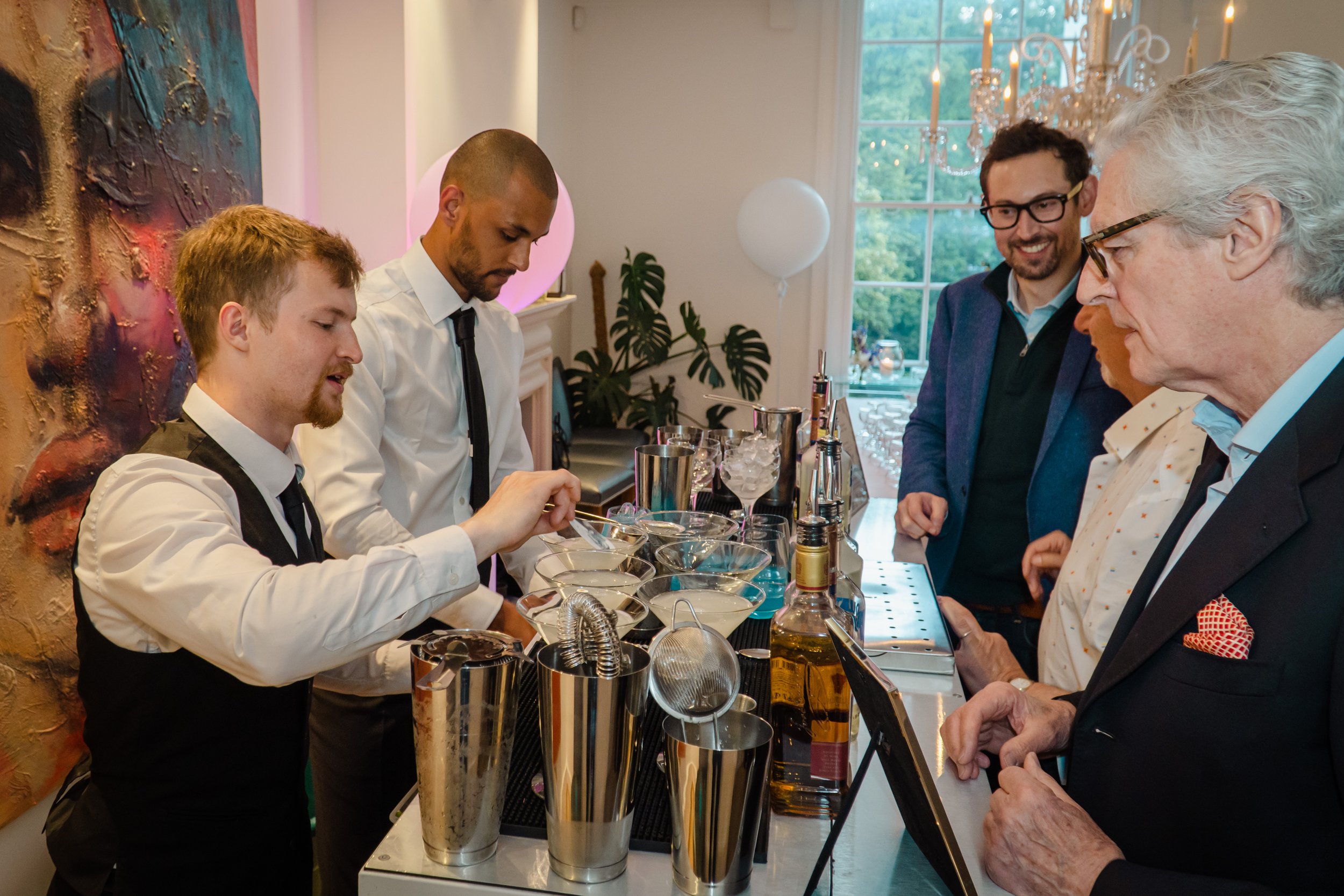
7. They Help Conversations Happen Naturally
A private cocktail bar can become one of the most social places at a party.
People from different groups arrive there at the same time.
They compare drinks.
Watch the preparation.
Ask questions.
A socially aware bartender can gently support these moments.
Not by forcing introductions.
But by creating shared points of interest.
Perhaps two guests are choosing between the same drinks.
Perhaps someone asks about the host's signature cocktail.
Perhaps an interesting garnish gets everyone watching for a few seconds.
These tiny shared experiences help conversations begin.
A bartender who thinks like a host understands that the bar is not only a drinks station.
It is part of the social architecture of the evening.
8. They Know When to Be Engaging - And When to Disappear
Being host-like does not mean talking constantly.
Quite the opposite.
Great hosts understand when guests need attention and when they need space.
A professional private bartender should have the same judgement.
If guests are gathering around the bar and asking questions, interaction is welcome.
If everyone is listening to a speech, service should become discreet.
If two people are deep in conversation, there is no need to interrupt them repeatedly.
If the evening becomes more energetic later, the bartender can adapt.
Good hospitality is not maximum interaction.
It is appropriate interaction.
That distinction makes the service feel natural.
9. They Treat Alcohol-Free Guests Like Guests, Not Exceptions
A host would never say:
“Everyone else gets the proper experience, but there's some juice over there for you.”
Neither should the bar.
Alcohol-free guests should receive the same attention to:
flavour
presentation
glassware
garnish
recommendation
More importantly, the interaction should feel equally enthusiastic.
A good bartender for a private event might say:
“If you're not drinking tonight, we've got a really nice botanical serve I'd recommend.”
Simple.
Inclusive.
No awkwardness.
The guest remains part of the same experience.
That is what host-level hospitality looks like.
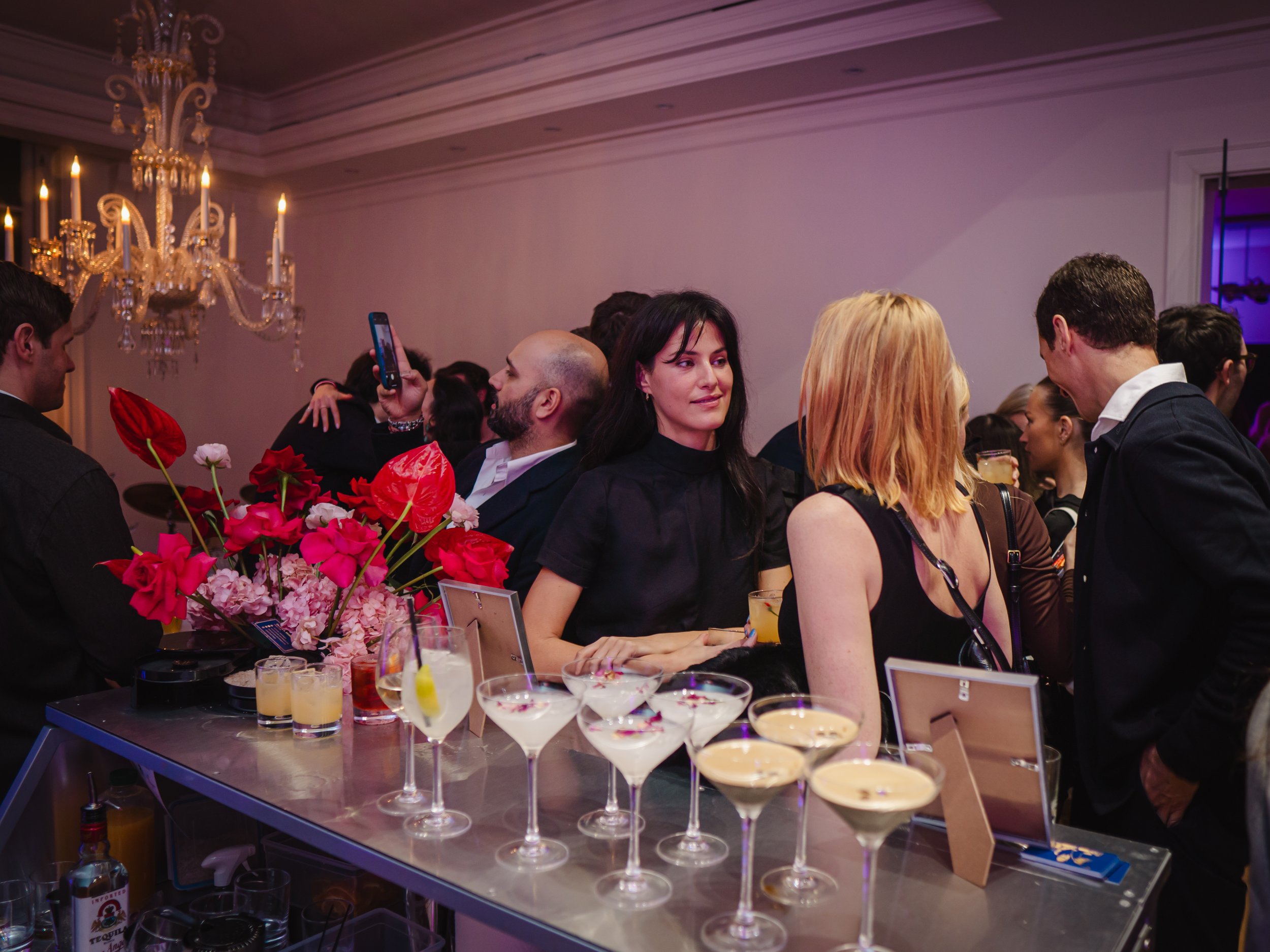
10. They Look After the Host as Well as the Guests
One of the biggest differences between a supplier and a hospitality partner is who they believe they are serving.
A supplier may focus entirely on guests at the bar.
A great bartender also thinks about the person hosting the event.
Is the host being repeatedly interrupted?
Are guests asking them where drinks are?
Does something small need resolving?
Can the bartender handle it without dragging the host away from a conversation?
This matters enormously.
The host should not spend their evening managing their bartender.
A strong private bartender should remove work from them.
The host gets to remain in the room.
With the people they invited.
Actually enjoying the occasion.
11. They Solve Small Problems Quietly
Great hosts rarely announce every problem they solve.
The same should be true of professional hospitality.
Glassware needs reorganising?
Handle it.
The bar becomes unexpectedly busy?
Adjust the pace.
A guest requests a sensible variation?
Find a solution.
Something needs cleaning?
Take care of it.
Not every operational detail needs to become a host decision.
Premium private bartending services should include enough experience and judgement to handle ordinary event realities independently.
The host should hear about genuine decisions.
Not every tiny adjustment.
That is how trust develops.
12. They Protect the Atmosphere When Things Get Busy
A bar can become busy very quickly.
A group arrives together.
Dinner finishes.
Everyone decides it is time for another drink.
Suddenly there are several orders at once.
The bartender's attitude matters enormously here.
A stressed team can make the entire area feel stressful.
A confident bartender increases speed without losing warmth.
They acknowledge guests.
Stay organised.
Keep the workstation tidy.
Continue communicating calmly.
A good bartender for a private event absorbs the pressure rather than handing it to the room.
That calmness makes the service feel premium even at its busiest.
13. They Feel Like Part of the Event Without Becoming the Main Event
This balance is important.
A great bartender should feel integrated into the evening.
But the party is not about them.
The host should remain the host.
The occasion should remain the occasion.
Cocktail theatre can be fun.
Personality is valuable.
Conversation matters.
But a professional knows when enough is enough.
The best compliment may be:
“They fitted in perfectly.”
Because that means the bartender understood their role.
They added warmth.
Energy.
Hospitality.
But never made the evening feel like their performance.
14. They Work With the Rest of the Event
Private events often include other suppliers:
caterers
chefs
waiting staff
musicians
DJs
photographers
planners
A bartender with a hosting mindset sees the whole event.
If dinner is beginning, bar service may need to adjust.
If someone is making a speech, cocktail preparation should become quieter.
If the photographer needs a clear area for an important moment, the team should cooperate.
The guest experiences one party.
They do not care which supplier technically owns which part of it.
Good private bartending services understand that.
The objective is a better event, not a more important bar.
15. They Finish the Evening Properly
A good host thinks about the goodbye as well as the welcome.
Professional hospitality should too.
When service ends, the bartender should not simply disappear and leave the host with:
dirty surfaces
used glassware
melting ice
garnishes
bar equipment
general clutter
The service should close calmly.
Equipment is packed.
The bar area is organised.
Surfaces are tidied.
The host's space is respected.
The experience should feel complete from arrival to departure.
Explore our full offering: 👉Full Offerings
16. Why Hosts Choose Private Mixologist
Private Mixologist believes the best private bar service should feel like an extension of the host's own hospitality.
Our private event service can include:
bespoke cocktail menu design
signature drinks tailored to the occasion
elegant cocktail bar setups
premium glassware and garnishes
experienced private bartenders
thoughtfully crafted alcohol-free options
personalised guest recommendations
warm, butler-style hospitality
service adapted to the atmosphere of the event
seamless setup and clean-down
The aim is not simply to place somebody behind the bar.
It is to provide someone who understands the room, supports the host and makes guests feel genuinely welcome.
Final Thought: The Best Bartender Helps You Host
There is a big difference between:
“The bartender made great cocktails.”
And:
“The bartender really looked after everyone.”
Both are compliments.
But the second describes hospitality.
That is what separates a good supplier from someone who genuinely contributes to the event.
A great private bartender notices people.
Reads the room.
Makes recommendations.
Handles small problems.
Supports the host.
Knows when to engage.
And knows when to step back.
They still make excellent cocktails.
Of course they do.
But the drinks are only one part of what they bring into the room.
So when choosing a bartender for a private event, do not ask only whether they can run the bar.
Ask whether they can help you host the people standing around it.
Because when they can, they stop feeling like an outside supplier.
For the evening, they simply feel like part of the hospitality.
And that is when private bar service becomes something much more valuable.


