

Why Your Bartender's Attitude Can Make or Break the Evening
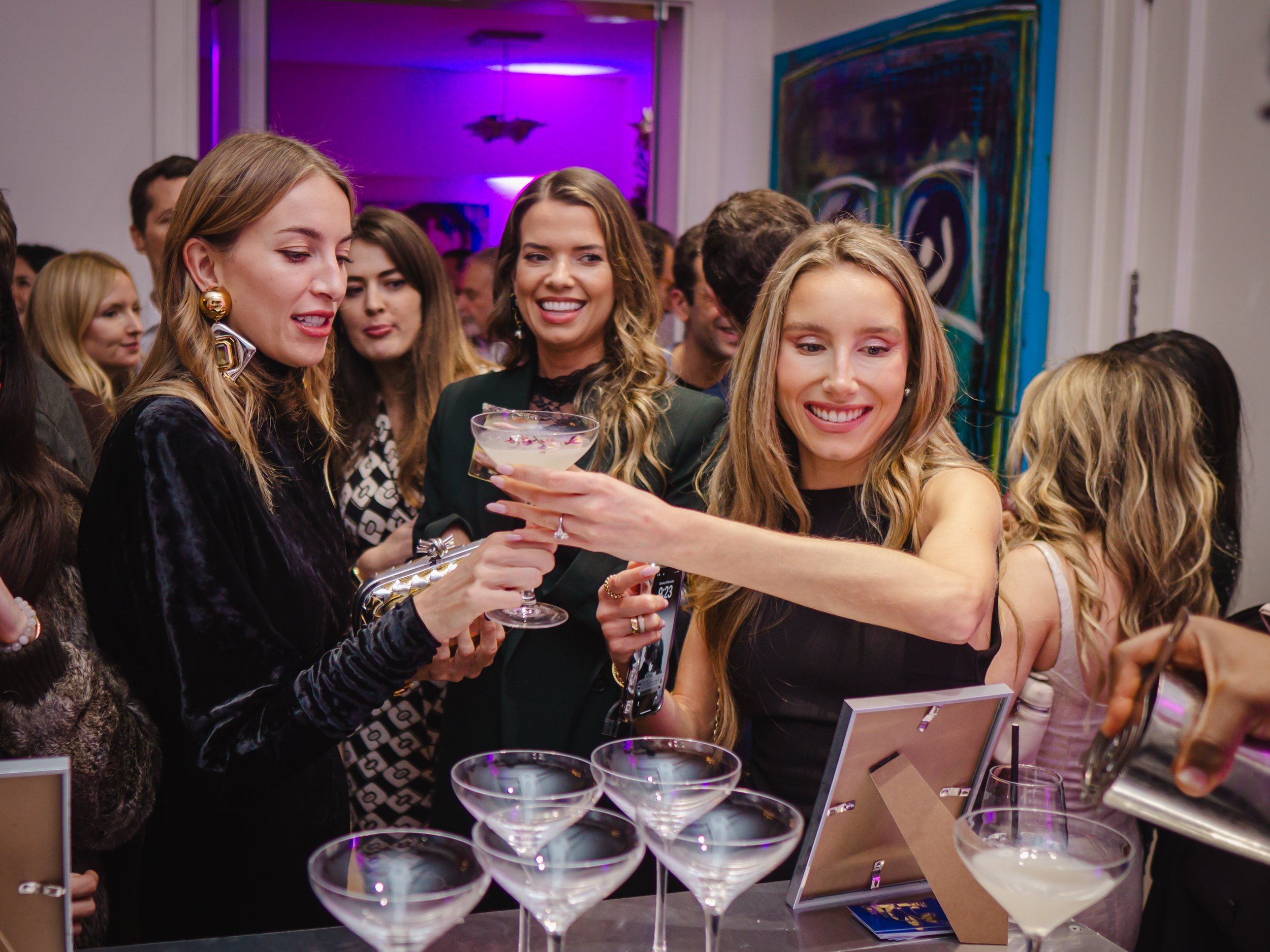
You can have the perfect cocktail menu.
Beautiful glassware.
Fresh ingredients.
An immaculate bar.
And a bartender who knows every technique in the book.
But if the person behind the bar feels cold, impatient or uninterested?
Guests notice.
Immediately.
Because a private bartender does more than prepare drinks.
They become part of the atmosphere.
They may be one of the first people guests interact with when they arrive. They will speak to people throughout the evening, answer questions, make recommendations and deal with all kinds of personalities and requests.
Their attitude travels beyond the bar.
A warm bartender can make the whole evening feel more relaxed.
A calm bartender can make a busy party feel completely under control.
A dismissive or visibly stressed bartender can create exactly the opposite effect.
That is why choosing a bartender for a private event should never be based on technical skill alone.
Cocktail ability matters.
But hospitality is what guests actually experience.
Here is why the attitude behind the bar can genuinely make or break the evening.
1. Guests Notice Energy Before Expertise
Most guests cannot judge advanced cocktail technique.
They do not know whether the bartender has executed every movement exactly as another mixologist would.
But they can tell within seconds whether someone seems:
welcoming
confident
interested
calm
approachable
People read attitude remarkably quickly.
Imagine approaching the bar and receiving no eye contact, a rushed response and the sense that your question is inconvenient.
Now imagine approaching the same bar and hearing:
“Of course. What kind of flavours do you usually enjoy?”
Same bar.
Potentially the same cocktail.
Completely different experience.
A great private bartender understands that every guest interaction contributes to the atmosphere.
The drink begins with hospitality before the first ingredient reaches the glass.
2. A Friendly Bartender Makes the Bar Approachable
A beautifully styled cocktail bar can actually become intimidating if the service behind it feels too formal.
Some guests know exactly what they want.
Others do not.
They may not know cocktail terminology.
They may be unsure which flavours work for them.
They might simply want someone to help.
A good bartender for a private event makes that easy.
They might ask:
“Do you usually prefer something fresh or richer?”
“Would you like something light?”
“Shall I recommend one?”
Simple questions remove pressure.
Guests do not need to prove that they understand cocktails.
They can simply enjoy them.
That approachable attitude turns the bar into somewhere people want to return to throughout the evening.
3. The Bartender Can Help Settle Guests Into the Party
The first 20 minutes of a private event can feel slightly uncertain.
Guests arrive at different times.
Some immediately recognise friends.
Others know only the host.
The host may be greeting several people simultaneously.
A welcoming bartender can quietly help.
The bar becomes an obvious first destination.
Guests receive a drink.
They ask about the menu.
Another person arrives beside them.
A conversation begins.
This is where good private bartending services become part of the wider event rather than simply a drinks function.
The bartender helps guests move from:
“I've just arrived.”
to:
“I'm part of the party.”
That transition matters.
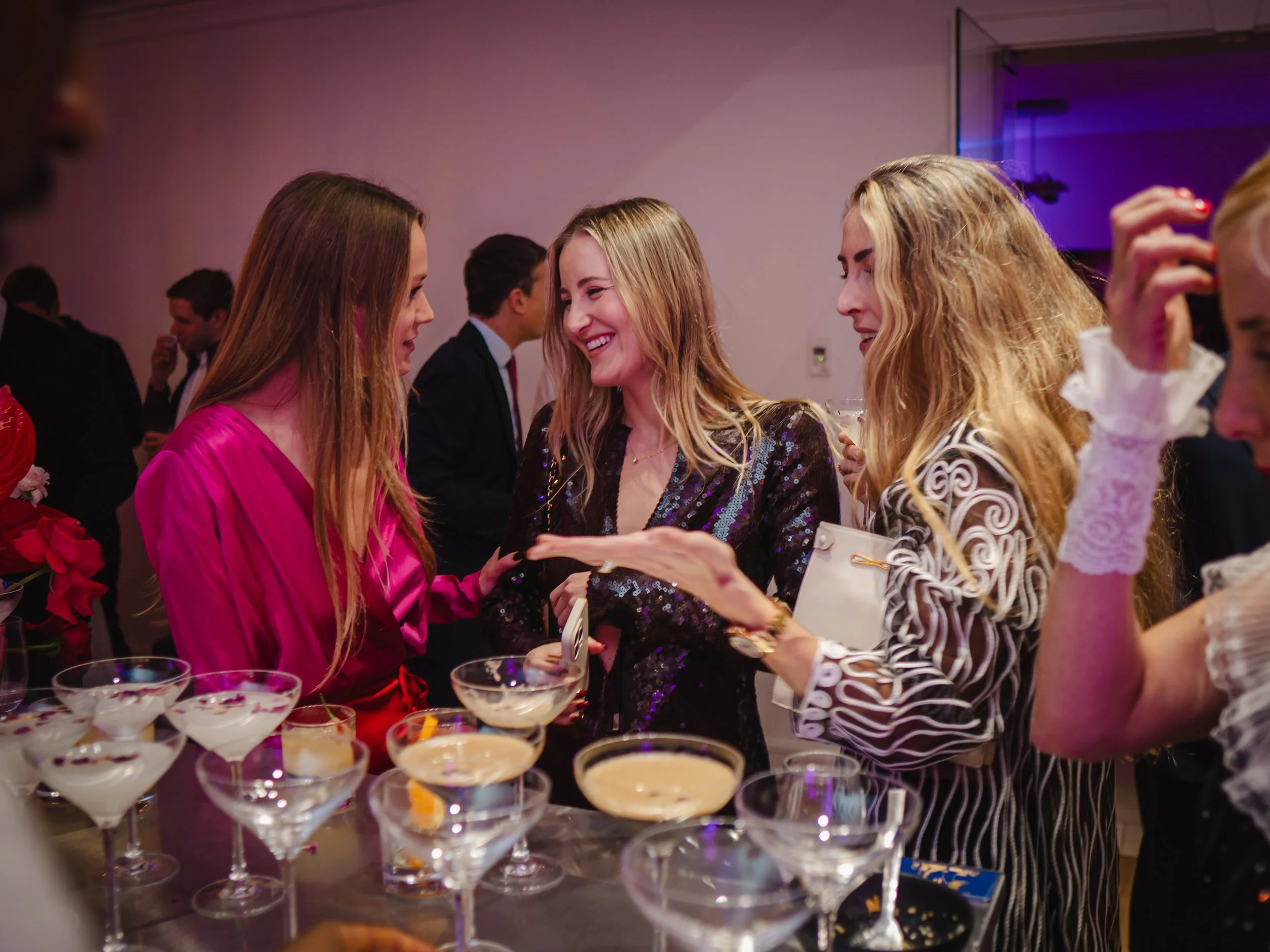
4. Confidence Is Good. Ego Is Not.
Cocktail-making is a craft.
A professional bartender should know their subject.
But expertise should make the guest's experience easier.
Not make the bartender feel superior to the guest.
Nobody should feel embarrassed because they:
do not know a cocktail
prefer something simple
dislike a fashionable ingredient
want their drink less sweet
choose an alcohol-free option
A strong private bartender can be highly knowledgeable without turning every order into a lesson.
If someone wants to know more, brilliant.
Explain the ingredients.
Talk about the technique.
Share the story.
If they simply want something refreshing, make them something refreshing.
Hospitality is about the guest.
Not proving how much the bartender knows.
5. Attitude Matters Most When Someone Asks for Something Different
Standard orders are easy.
Hospitality becomes more revealing when the guest asks:
“Could I have something less sweet?”
“I don't drink alcohol. What would you recommend?”
“Is there anything without this ingredient?”
A poor attitude makes these requests feel inconvenient.
A great attitude turns them into an opportunity to help.
The bartender does not need to say yes to absolutely everything.
Some requests may not be possible.
But the response can still be constructive:
“We can't make that exact serve with tonight's ingredients, but I can make you something similar with a fresher profile.”
That is good service.
The guest feels helped rather than rejected.
Professional private bartending services should make reasonable requests feel easy.
6. Calmness Becomes Crucial When the Bar Gets Busy
Almost every party has a rush.
Several guests arrive at once.
Dinner finishes.
A speech ends.
Suddenly everyone wants a drink.
This is when attitude becomes especially visible.
A stressed bartender may become:
abrupt
visibly rushed
less attentive
disorganised
A professional bartender does the opposite.
They increase the pace without changing how guests are treated.
They acknowledge people waiting.
Keep the workstation organised.
Communicate naturally.
Continue serving with confidence.
A good bartender for a private event absorbs pressure instead of passing it into the room.
Guests should feel that the party has become lively.
Not that the service has become stressed.
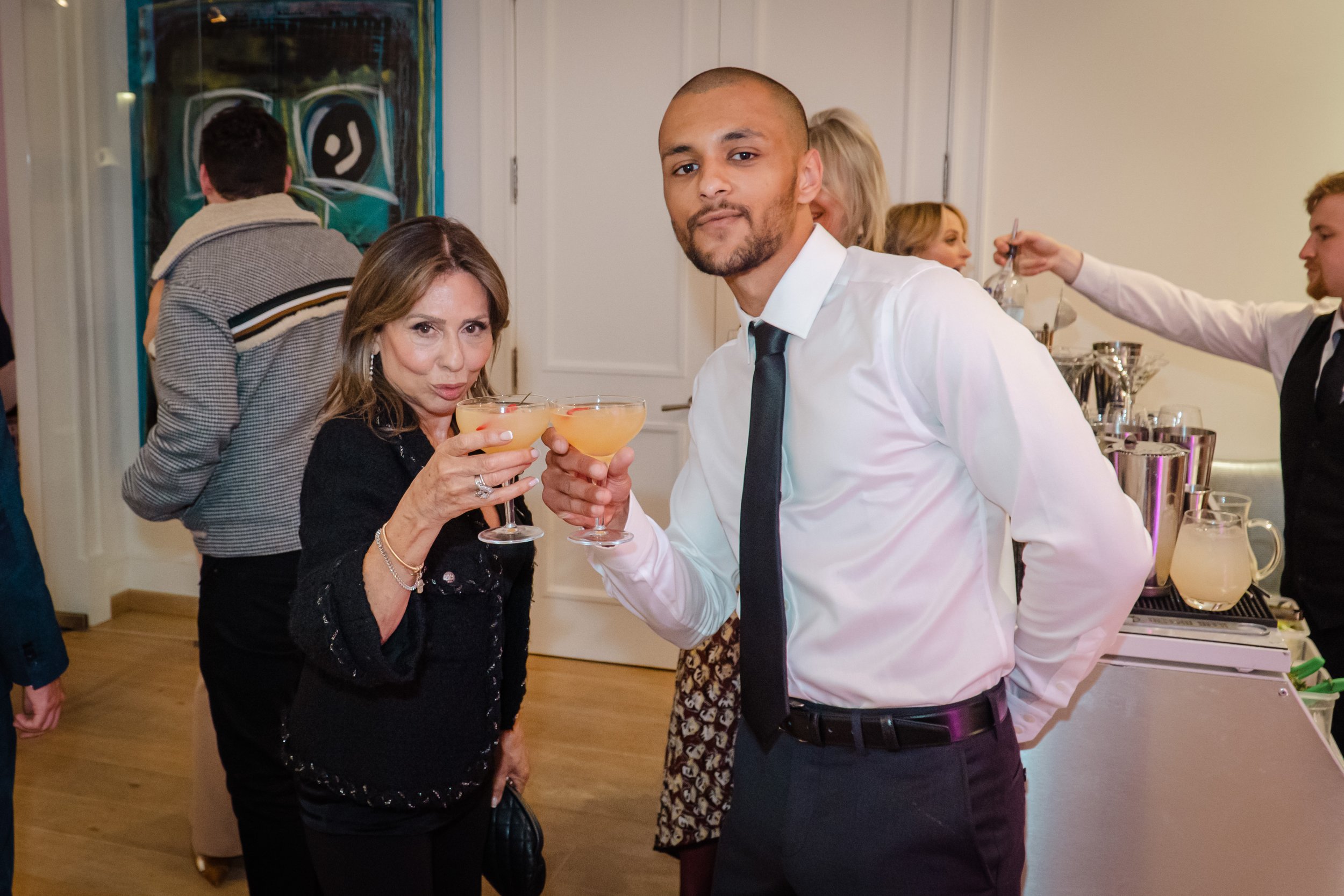
7. The Right Bartender Knows How Much Personality to Bring
Personality matters.
But more is not automatically better.
A bartender who barely speaks can make the service feel cold.
A bartender who dominates every interaction can become exhausting.
The best private hospitality sits somewhere between the two.
A skilled bartender knows when to:
have a conversation
make a joke
recommend a drink
explain a technique
add a little theatre
step back
The party should remain about the host and their guests.
The bartender's personality should add to the atmosphere rather than compete with it.
That social judgement is an important part of premium private bartending services.
8. Guests Remember Whether Someone Made Them Feel Comfortable
Cocktail menus blur together surprisingly quickly.
Human interactions do not.
A guest may forget exactly which ingredients were in their second cocktail.
They are more likely to remember:
“The bartender was lovely.”
“They made me something based on what I liked.”
“They were really good with everyone.”
These comments reveal what people actually value.
They want competence.
But they also want comfort.
A warm private bartender makes guests feel that they belong at the bar regardless of how much or how little they know about cocktails.
That feeling often becomes one of the strongest memories of the service.
9. Alcohol-Free Guests Notice Attitude Immediately
One of the best tests of hospitality is what happens when somebody says:
“I'm not drinking tonight.”
Do they receive the same enthusiasm?
Or does the energy suddenly disappear?
Premium service should never make alcohol-free guests feel secondary.
A thoughtful bartender approaches their drink with the same attention to:
flavour
presentation
glassware
garnish
recommendation
The attitude matters as much as the drink.
Nobody wants to feel like they have requested the boring option.
A good bartender for a private event makes every guest feel included in the experience.
That is what hospitality should do.
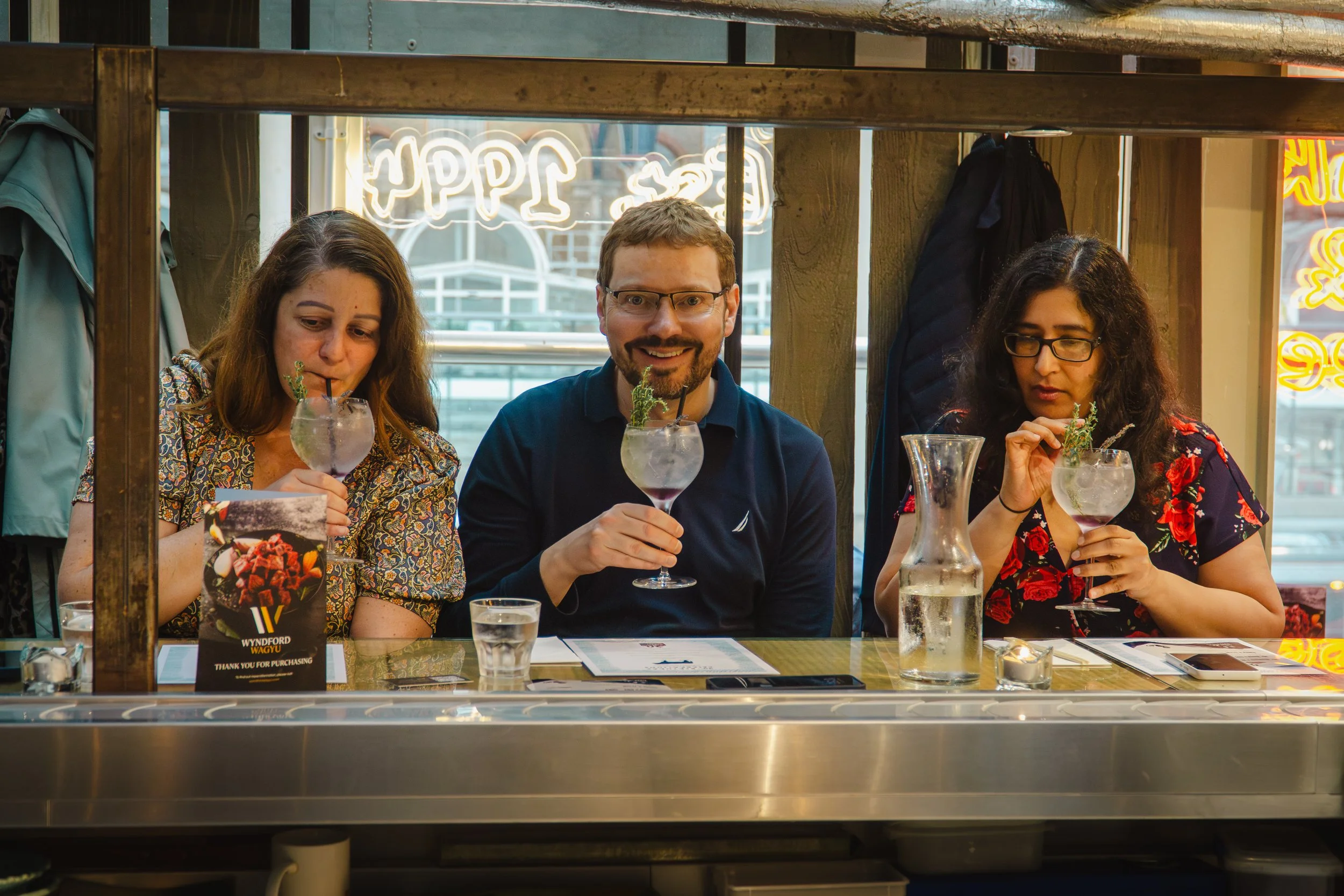
10. A Good Attitude Makes Personalisation Feel Natural
Personalised service does not need to be complicated.
Sometimes it is simply remembering:
“This guest likes something citrus-led.”
Or:
“They wanted a lighter drink earlier.”
When the guest returns, the bartender can say:
“Would you like another, or shall we try something similar?”
That small interaction feels thoughtful.
A bartender with the right attitude wants to understand what guests enjoy rather than simply move them through the service.
That is what makes the experience feel bespoke.
Not an enormous menu.
Not endless options.
Attention.
11. The Bartender's Mood Can Affect the Host Too
Guests are not the only people interacting with the bartender.
The host is too.
If the bartender seems stressed, the host starts wondering whether something is wrong.
If they repeatedly need help, the host becomes distracted.
If every small problem becomes a conversation, the host gets pulled away from guests.
A calm, positive private bartender creates the opposite effect.
The host looks across the room.
The bar is organised.
Guests are happy.
The bartender appears completely comfortable.
The host thinks:
“That's handled.”
That feeling is incredibly valuable.
It allows the host to stop monitoring the service and return to their own party.
12. Attitude Determines How Problems Feel
Private events are unpredictable.
Someone arrives unexpectedly.
An ingredient runs low.
A guest makes an unusual request.
The timing changes.
The question is not whether small challenges will happen.
It is how they are handled.
A bartender with the wrong attitude can make a tiny issue feel enormous.
A professional makes the same issue feel almost irrelevant.
They stay calm.
Look for an alternative.
Communicate clearly.
Continue.
That is one of the qualities worth paying attention to when comparing private bartending services.
Technical problems can often be solved.
A poor service attitude is much harder to hide.
13. Professional Does Not Have to Mean Formal
Some hosts worry that hiring professional staff will make their party feel stiff.
It should not.
Professionalism is not about standing behind the bar with a serious expression.
It means:
arriving prepared
treating people respectfully
maintaining standards
communicating well
staying composed
understanding boundaries
A professional bartender can still be warm.
Funny.
Relaxed.
Approachable.
In fact, that combination is often ideal for private events.
Guests receive polished service without feeling as though they are attending a formal function.
The best hospitality feels refined and human at the same time.
14. The Right Attitude Helps Different Guest Groups Mix
Private events often bring together people from different parts of the host's life.
Family.
Friends.
Colleagues.
Neighbours.
The bar is one of the places these groups naturally overlap.
A socially aware bartender can make that space feel comfortable for everyone.
They do not need to force introductions.
Small interactions are enough.
A shared recommendation.
A comment about the signature cocktail.
A light moment around the preparation.
The bar becomes common ground.
This is one reason a good bartender for a private event can influence the atmosphere far beyond the drinks themselves.
15. Guests Should Never Feel Like an Inconvenience
This is perhaps the simplest test of hospitality.
Does the guest feel welcome asking for something?
A recommendation.
Another drink.
An alternative.
An alcohol-free serve.
A clarification.
Professional hospitality should make reasonable requests feel normal.
The guest should never feel that they are disrupting the bartender's work.
Looking after the guest is the work.
That mindset changes everything.
It changes the tone.
The body language.
The conversation.
And ultimately, the way people remember the event.
16. Why Hosts Choose Private Mixologist
Private Mixologist believes excellent drinks and excellent attitude belong together.
Our private event service can include:
bespoke cocktail menu design
signature drinks tailored to your occasion
elegant cocktail bar setups
premium glassware and garnishes
experienced private bartenders
thoughtfully crafted alcohol-free options
warm, butler-style hospitality
personalised guest recommendations
calm service adapted to the room
seamless setup and clean-down
The goal is not simply to send somebody who can make cocktails.
It is to provide someone you are happy to have interacting with your guests throughout the evening.
Explore our complete offering: 👉Full Offerings
Final Thought: Guests Experience the Bartender Before They Judge the Cocktail
A brilliant cocktail can elevate an evening.
But the person handing it across the bar determines how that moment feels.
Warm or cold.
Relaxed or awkward.
Personal or transactional.
A great private bartender understands that every drink comes with an interaction.
That interaction may last only 30 seconds.
But repeat it across an entire evening and the bartender becomes part of the atmosphere.
That is why attitude matters so much.
Look for someone who is skilled.
But also someone who listens.
Stays calm.
Treats different guests well.
Knows when to engage.
And understands that hospitality is ultimately about people.
Because guests may forget exactly what was in their glass.
They are far less likely to forget how the person behind the bar made them feel.


